
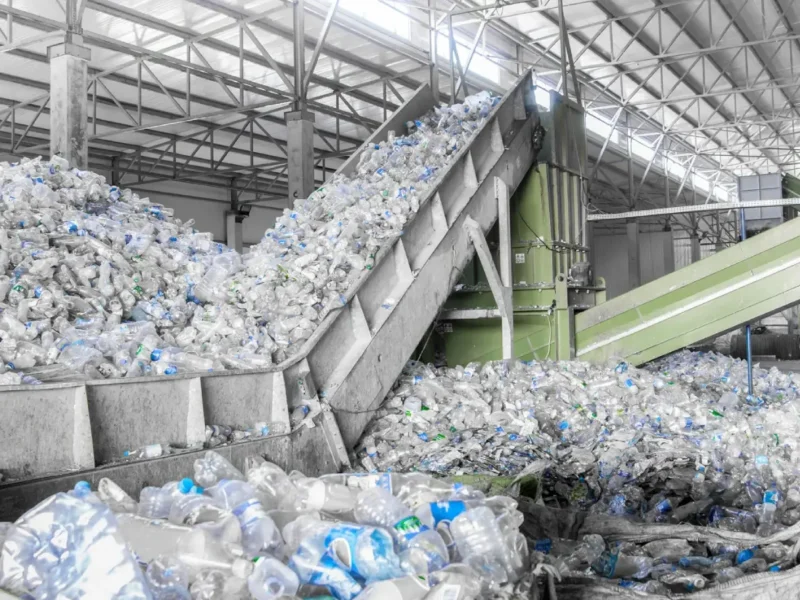
Sustainability is no longer a secondary consideration in the packaging industry — it’s becoming a core purchasing requirement. Across Tunisia, Algeria, and Libya, manufacturers are facing growing pressure from regulators, retailers, and international buyers to reduce virgin plastic use and increase recycled content in their packaging. Recycled PET (rPET) has emerged as the leading solution.
Growth through innovation:
Lorem ipsum dolor sit amet, consectetur adipiscing elit. Cras sollicitudin sem in convallis vestibulum. Suspendisse consequat in libero non facilisis. Nullam dapibus blandit viverra. In sed ante ac eros fermentum lobortis eget in turpis. Sed maximus et odio id facilisis. Lorem ipsum dolor sit amet, consectetur adipiscing elit. Sed varius leo eget condimentum tempus. In sed ante ac eros fermentum lobortis.
Why rPET Demand Is Rising Across the Region
Several forces are driving the shift toward recycled PET in North Africa:
- Regulatory pressure: Extended Producer Responsibility (EPR) frameworks and packaging waste regulations are expanding across North African markets, pushing brands toward recycled content targets.
- Export requirements: Manufacturers exporting to the European Union increasingly need to comply with EU packaging and recycled-content regulations, making rPET sourcing a competitive necessity rather than an option.
- Brand and consumer expectations: Global and regional brands are publicly committing to recycled-content targets, and local manufacturers must adapt their supply chains accordingly.
- Cost stability: As rPET production scales up, it can offer more stable pricing than virgin resin during periods of oil price volatility, since rPET is less directly tied to crude oil markets.
Can rPET Match Virgin PET Performance?
One of the most common concerns manufacturers raise is whether recycled PET can maintain the same quality standards as virgin resin. The answer depends on the recycling process and grade selected:
- Food-grade rPET, produced through advanced decontamination and super-clean recycling technology, meets food contact safety standards in many markets and is increasingly used in bottled water and beverage packaging.
- Mechanically recycled rPET offers strong mechanical properties for non-food packaging, sheets, and technical applications, often blended with virgin PET to balance cost and performance.
- Color and clarity in rPET have improved significantly with better sorting and cleaning technology, narrowing the visual gap with virgin resin.
The key to success is selecting the right rPET grade and blend ratio for your specific application — something an experienced resin partner can help determine.
Challenges Manufacturers Should Plan For
While demand is growing, rPET sourcing in North Africa still comes with practical challenges:
- Limited local collection infrastructure in some markets, which affects consistent local supply.
- Quality variability between recycling sources, making supplier selection critical.
- Price premiums for high-grade food-contact rPET compared to standard virgin PET, depending on global supply conditions.
Manufacturers who plan ahead — securing reliable rPET supply agreements and understanding grade specifications — are better positioned to meet sustainability targets without disrupting production.
How Global Corporation Supports the Shift to rPET
As a long-established PET, PEHD, and LDPE trader across Tunisia, Algeria, and Libya, Global Corporation is expanding its sourcing network to include recycled PET grades alongside virgin resin from our established partners — Wankai, OCTAL, JADE, Reliance Industries, China Resources, Tasnee, and Borealis.
We help manufacturers navigate the transition to recycled content by identifying reliable rPET sources, advising on grade selection, and ensuring consistent supply — so sustainability goals don’t come at the expense of production quality or reliability.
Looking to introduce rPET into your packaging line? Speak with our sourcing team →